
Mastering Leverage & Tool-Based Modalities: The Key to a Long, Pain-Free Career as a Massage Therapist

Massage therapy is one of the most rewarding careers—helping people feel better, move better, and live better. But the stats are sobering: 50-88% of therapists burn out or leave the profession within 3–5 years, with many citing repetitive strain injuries, hand/wrist pain, back issues, and physical exhaustion. The average career length hovers around 5–10 years for most, yet some therapists thrive for 15–20+ years. What’s their secret? Leverage and tool-based modalities.
By learning to work smarter—not just harder—you can dramatically reduce wear and tear on your own body while delivering deeper, more effective results for clients. Whether you’re a solo practitioner, in a small spa, or part of a large wellness center, these strategies scale beautifully and can add decades to your career.
What Is “Leverage” in Massage Therapy?
Leverage means using physics (body weight, gravity, stance, and alignment) instead of brute muscle strength to apply pressure. Think of it as turning your entire body into an efficient machine rather than relying on your hands, wrists, and shoulders alone.
Core principles of good leverage:
Stack your joints and lock your knees/elbows for stability.
Use body weight and gravity by leaning in from your core and hips instead of pushing with your arms.
Neutral spine and proper stance—feet shoulder-width, knees soft, core engaged.
Table height adjustment—set it so you’re not bending or reaching awkwardly.
Proper leverage can increase the force you apply by up to 34% while slashing your effort and injury risk. It’s the foundation of every sustainable career.
Why Tool-Based Modalities Are a Game-Changer for Longevity
Tools don’t replace your hands—they protect them. Instrument-assisted soft tissue mobilization (IASTM), heat, suction, and percussion allow you to treat deeper layers with less repetitive gripping, thumb pressure, or sustained force. The result? Fewer overuse injuries (the #1 career killer), faster sessions, happier clients, and the ability to see more clients without burnout.
Here are four powerful, accessible modalities every therapist should consider:
1. Hot Stone Massage Heated stones glide smoothly and retain heat, allowing you to work large muscle groups with minimal hand strain. The warmth relaxes tissues quickly so you use less pressure overall. Longevity win: Saves your thumbs and wrists while clients rave about the “melting” sensation.

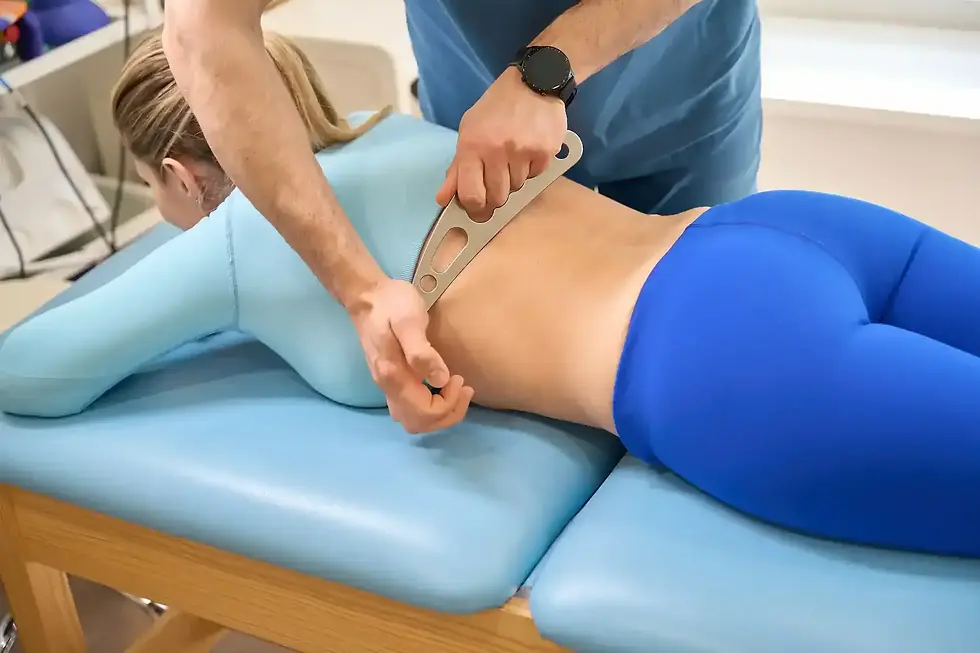
2. IASTM / Gua Sha Tools (Stainless Steel Scrapers) These precision instruments break up fascial adhesions and scar tissue with controlled scraping strokes. One tool can replace hours of manual cross-friction work. Longevity win: Dramatically reduces thumb and finger strain—therapists report it as a true “hand saver.”
3. Cupping Therapy Silicone or glass cups create negative pressure and lift tissues instead of compressing them. You can leave cups static or glide them—far less effort than deep tissue by hand. Longevity win: Great for broad areas like the back and shoulders; minimizes your own repetitive motions.

4. Percussion Massage Guns Handheld devices deliver rapid, concentrated pulses. Use them as a warm-up or finisher so your manual work stays targeted and efficient. Longevity win: Takes the “pounding” work off your hands and forearms.

How to Get Started (Practical Roadmap)
For new or solo therapists:
Invest in 1–2 quality tools first (a good IASTM set + hot stones costs under $200).
Take affordable CE courses (many are online) in IASTM, cupping, or hot stone.
Practice body mechanics daily—film yourself or get feedback from a mentor.
For spa or clinic owners:
Equip your team with shared tool kits and schedule tool-specific rotations.
Market “Advanced Recovery Sessions” that combine tools + manual work for premium pricing.
Daily habits for longevity:
Warm up your own body before sessions.
Hydrate, stretch, and self-massage between clients.
Limit consecutive deep-tissue-only days.
End every session with 5 minutes of self-care (foam roll, stretch, breathe).
Real Results Therapists Are Seeing
Therapists who integrate leverage and tools consistently report:
Less (or zero) wrist/hand pain
Ability to work 25–30+ hours/week without exhaustion
Higher client retention (tools feel “next-level”)
Career confidence—they’re in it for the long haul
One study of American massage therapists found 84% experience work-related pain, but those who adapt techniques and tools stay in the field longer and report greater satisfaction.
Ready to Future-Proof Your Career?
You didn’t become a massage therapist to burn out—you became one to make a lasting impact. By mastering leverage and adding just a few tool-based modalities, you can protect your most important tool (your body) and keep doing what you love for decades.
Action step for you: Pick one new skill this month—whether it’s adjusting your table height for better leverage or booking an IASTM certification. Your hands (and your future self) will thank you.
What tool or technique are you most excited to try? Have you already noticed how body mechanics changed your sessions? Share in the comments—I’d love to hear your story and answer any questions!


Comments