
Mastering Body Mechanics: Essential Tips for Massage Therapists to Enhance Leverage and Ensure Career Longevity

As a massage therapist, your body is your most valuable tool. Mastering body mechanics isn't just about delivering effective treatments—it's about protecting yourself from injury, optimizing leverage during sessions, and building a sustainable career that spans years without burnout or physical wear. In this educational blog post, we'll explore the fundamentals of body mechanics, how to use leverage efficiently, practical tips with visual examples, and strategies for long-term professional health. Whether you're a newbie or a seasoned pro, these insights can help you work smarter, not harder.
What Are Body Mechanics in Massage Therapy?
Body mechanics refer to the way you position and move your body during massages to maintain proper alignment, reduce strain on muscles and joints, and prevent fatigue or injury. Proper mechanics involve posture, balance, and efficient use of your body's natural leverage points, like your core, hips, and legs, rather than relying solely on arm or back strength.
Why does this matter? Poor body mechanics can lead to repetitive strain injuries (RSIs), such as carpal tunnel syndrome, lower back pain, or shoulder issues, which affect many therapists. Studies and expert advice highlight that aligning your body correctly not only improves the quality of your massages but also extends your career lifespan by minimizing overuse.

Leveraging Your Body for More Effective Massages
Leverage in massage therapy means using your body weight, gravity, and positioning to apply pressure and depth without excessive effort. Instead of pushing with your arms or straining your back, you "lean in" from your lower body, transferring force efficiently to the client.
For example:
Use Gravity and Body Weight: Position yourself so your center of mass (around your hips) aligns over the area you're working on. This allows deeper pressure with less muscle fatigue.
Core Engagement: Activate your abdominal muscles to stabilize your spine, turning your body into a powerful, unified lever rather than isolated parts.
Foot Placement: A wide, staggered stance provides stability, letting you rock or shift weight fluidly.
Therapists who master leverage report being able to handle more clients per day without exhaustion, as it shifts the workload from small muscles to larger ones like the legs and glutes.

Practical Tips for Improving Your Body Mechanics
Here are seven actionable tips, drawn from expert recommendations, to refine your technique. Incorporate these into your daily practice for immediate benefits.
Adjust Your Table Height: Set your massage table so that when standing relaxed, your fingertips just brush the top. This height protects your lower back and allows for better leverage.
Set a Strong Stance: Position your feet shoulder-width apart, one slightly forward (like a lunge). This "low stance" grounds you, enabling you to bend at the knees and hips rather than the waist.
Think 'Hips as Headlights': Imagine your hips pointing like headlights toward the direction of pressure. This keeps your torso aligned and prevents twisting strains.
Bend Knees and Lean In: Avoid locking your knees—keep them soft and use a gentle rocking motion to apply pressure. Lean from your core, not your shoulders.
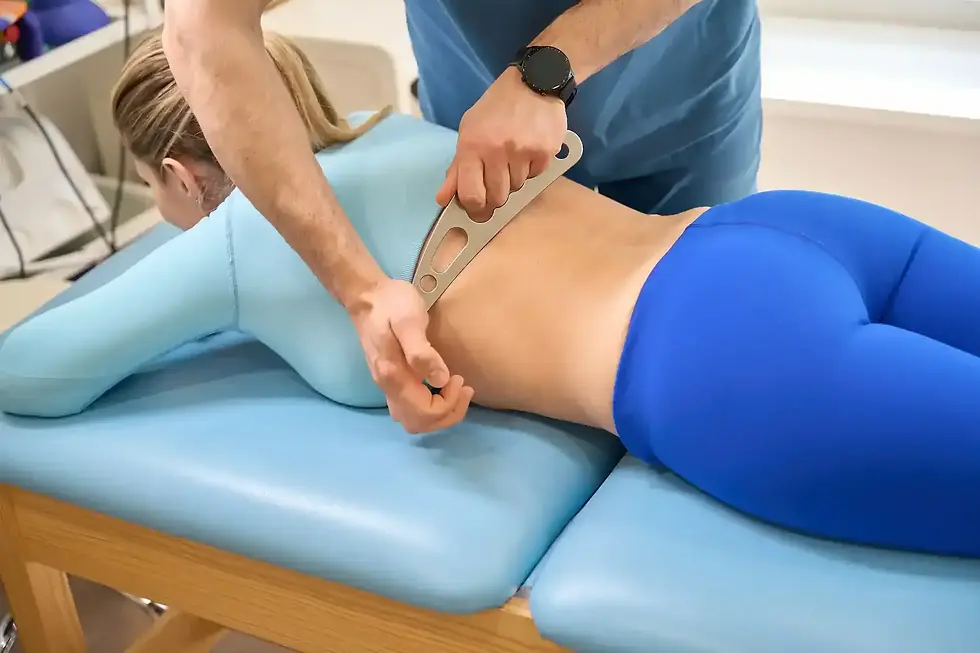
Incorporate Ergonomic Tools: Use tools like forearm rollers or specialized soft tissue release devices to extend your reach and reduce hand strain. These can amplify leverage without extra effort.
Breathe and Warm Up: Before each session, do a quick warm-up routine: shoulder rolls, wrist stretches, and deep breathing to engage your core. This prepares your body and maintains flow.
Compare Incorrect vs. Correct Posture: Regularly self-assess—hunching over leads to back pain, while upright alignment with weight distribution promotes efficiency.

Building Career Longevity Through Smart Practices
Career longevity in massage therapy goes beyond daily mechanics—it's about holistic self-care. Therapists who prioritize this can enjoy 20+ years in the field without major setbacks.
Prevent Injury: Consistent use of proper mechanics reduces RSIs. Combine with regular exercise, like yoga or strength training, to build resilience.
Avoid Burnout: Schedule breaks between clients, vary techniques (e.g., incorporating barefoot methods for less hand strain), and listen to your body's signals.
Sustain Energy: Focus on nutrition, sleep, and mental health. Many therapists extend their careers by diversifying into teaching or specializing in low-impact modalities.
Ongoing Education: Attend workshops on advanced body mechanics to refine skills and stay motivated.
By integrating these habits, you'll not only deliver better results for clients but also safeguard your passion for the profession.


Comments